Article Summary
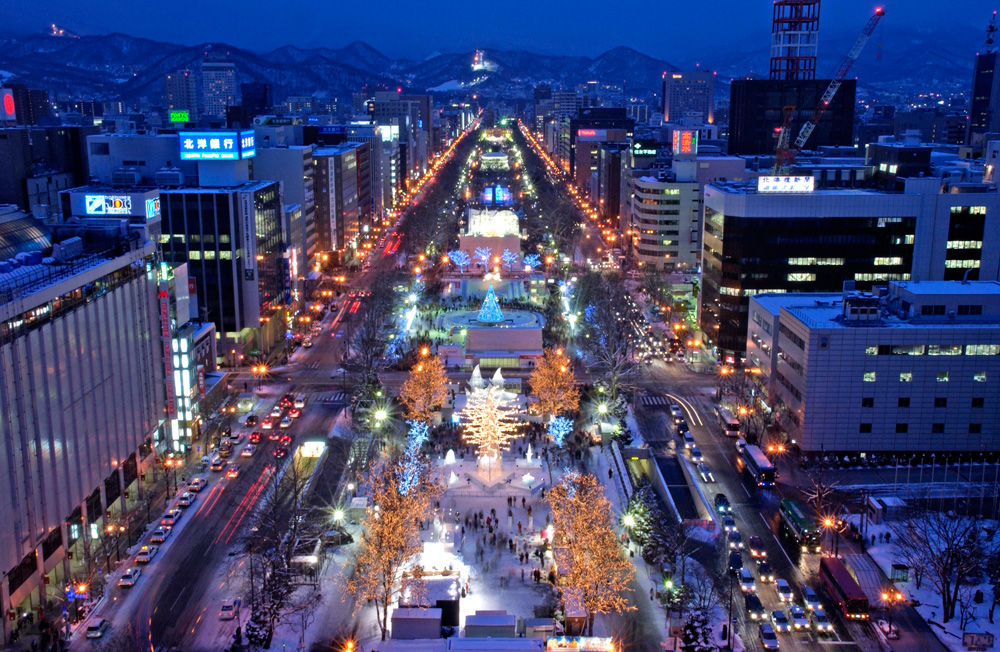
- Sapporo is home to around 1.9 million people, making it Japan’s fifth largest city — a far cry from the “small snowy town up north” image many visitors expect.
- It’s officially branded as the world’s only major urban snow resort, drawing attention from travelers around the globe.
- Despite receiving around 5 meters of snow each year, the city runs normally — with an extensive subway and underground shopping network that keeps families moving even on heavy snow days.
- With 2,740 parks across the city and five ski resorts within 30 minutes, families can enjoy snow without going out of their way.
- Built by settlers from across Japan starting in the Meiji era, Sapporo has developed its own distinct culture — one you won’t find in Tokyo or Kyoto.
- Japan travel usually starts with Tokyo and Kyoto. What about Sapporo?
- Sapporo: Japan’s fifth largest city and a world-class snow resort
- A city that lives with snow — Sapporo in winter
- Hokkaido has its own rules: food, coffee, and local culture you won’t find elsewhere
- Is Sapporo good for families with kids in winter?
- What comes next in Sapporo
- Frequently Asked Questions
- Stay in Sapporo with Birch Nest
Japan travel usually starts with Tokyo and Kyoto. What about Sapporo?
When people start planning a trip to Japan, Tokyo, Osaka, and Kyoto are usually the first cities that come up. And for good reason — these three cities have consistently topped the charts for international visitors.
But as you dig deeper into your research, Hokkaido tends to appear. Maybe it’s a photo from the Snow Festival, or a feature on ski resorts. The entry point varies.
And then comes the question: what’s Sapporo actually like? It sounds cold. Is it manageable with kids? Is there anything beyond the Snow Festival?
Those are fair questions, and I’d like to answer them as honestly as I can.
I was born and raised in Sapporo, left for a while, and came back to raise my own three kids here. Now I run Birch Nest, a self-catering apartment in the Maruyama neighborhood, where I welcome families from all over the world. What I can offer isn’t a tourist’s highlight reel — it’s the view from someone who actually lives here.
Sapporo: Japan’s fifth largest city and a world-class snow resort
Let’s start with the scale of the city itself.
Sapporo has a population of around 1.9 million, making it Japan’s fifth largest city after Tokyo, Yokohama, Osaka, and Nagoya. If you came in expecting a quiet little snow town, that might surprise you.
Sapporo is also a consistently popular destination for domestic travelers — ranking alongside Tokyo, Osaka, and Okinawa as one of Japan’s most-visited places year after year. It’s not just a destination for international visitors; Japanese people keep choosing it too.
And now, the rest of the world is catching up. In the 2024 fiscal year, Hokkaido welcomed approximately 2.83 million international visitors — a 20% increase from the previous year. The momentum is still building.
One more thing worth knowing: Sapporo has officially positioned itself as the world’s only major urban snow resort under its “Snow Resort City SAPPORO” brand. Ski resorts are usually tucked away in the mountains — Sapporo is doing it right in the middle of a city.
A city that lives with snow — Sapporo in winter
If you’ve never experienced a Sapporo winter, what tends to surprise people most isn’t the amount of snow — it’s the fact that the city just keeps going.
Annual snowfall averages around 5 meters. And yet the subway runs, shops stay open, and schools don’t close. Mornings start a little earlier to clear the snow before heading out. Buses run late sometimes. But people just get on with it — there’s a quiet resilience that comes from growing up in a place like this.
Snow removal is a serious profession here. Plows work through the night so roads are clear by morning. Neighbors look out for each other too — it’s ordinary to see people helping with snow clearance on their street. It’s the kind of thing you stop noticing when you’ve lived here long enough.
And above all — snow is beautiful. Pull back the curtains in the morning and the world outside is completely white. There’s always a mix of feelings: the mild dread of having to shovel, and something that feels a lot like a child’s excitement.
The city itself is designed with snow in mind. The subway and underground shopping network connect much of the city center, so you can get around without stepping outside. It’s less “I can’t go out because of the snow” and more “I can still get out even in the snow.”
There are 2,740 parks across the city, all of which become natural play areas in winter. And Sapporo sits close to the mountains — five ski resorts within 30 minutes of the city center. For a major urban area, that kind of access to nature is genuinely unusual.
Hokkaido has its own rules: food, coffee, and local culture you won’t find elsewhere
Hokkaido’s large-scale settlement only began in 1868, making it one of Japan’s newer regions. It was built from scratch by people who came from all over the country, which means it never developed the kind of deep-rooted regional traditions you find in older parts of Japan. Instead, it found its own way of doing things — shaped by the land, the climate, and the people who chose to make it home.
Take the habit of eating ice cream in the middle of winter. It sounds counterintuitive, but Hokkaido homes are kept very warm — so warm that cooling down with ice cream actually makes sense. It’s become something of a well-known quirk about the region.
Coffee culture runs deep here too. Sapporo consistently ranks among the top cities in Japan for coffee spending, and the city has a self-roasting cafe culture that dates back to the 1970s. Why coffee took hold the way it did here is hard to pin down to a single reason, but spending long winters indoors — slowly, unhurriedly — probably has something to do with it.
In August, there’s a local tradition called rousoku morai — a Tanabata custom where children go door to door collecting sweets from neighbors. It works a lot like Halloween. Tanabata is celebrated a month later in Hokkaido than in the rest of Japan, so it falls in August here, and for many kids growing up, this is just what summer looks like.
There are customs here you simply won’t find in Tokyo or Kyoto.
Is Sapporo good for families with kids in winter?
Sapporo winters are genuinely cold. But it’s not quite the “too cold to go outside” situation you might be imagining.
The subway and underground shopping network connect much of the city center, so even on heavy snow days, families can get around without too much exposure to the cold. The city is set up for moving at a child’s pace.
Snow play doesn’t require a special trip anywhere. With 2,740 parks across the city, building a snowman is just something you can do near wherever you’re staying. And if the kids want to try skiing, there are five resorts within 30 minutes — a half-day trip is entirely doable.
One thing I’d suggest thinking about when it comes to planning: trying to pack in too many sights in winter Sapporo can wear everyone out quickly. With kids especially, getting from place to place takes more out of you than you expect. Setting a home base and giving yourselves permission to do less tends to result in more — more time outside, more room to actually feel what it’s like to be in a snowy city.
What comes next in Sapporo
So — what to do, where to eat, where to stay. The next article gets into the specifics: actual places families can visit and enjoy during a Sapporo winter.
If you’re thinking about where to base yourself, the Maruyama neighborhood is worth considering. It’s a few subway stops from the city center — a quiet residential area mixed with small cafes and local restaurants. Less of a tourist district, more of a place where people actually live. Right in the middle of it is Birch Nest, our self-catering apartment. It’s designed to feel like a home rather than a hotel.
Frequently Asked Questions
What is Sapporo known for?
The Snow Festival and skiing are the most well-known, but there’s more to it than that. Hokkaido food (ramen, seafood, soup curry), a strong self-roasting coffee culture, ski resorts right on the city’s doorstep, and winter landscapes that are genuinely hard to describe. As the world’s only major urban snow resort, it’s a city that makes the most of winter — not just for one week in February.
Is Sapporo worth visiting in winter? Is there anything beyond the Snow Festival?
Yes. The Snow Festival runs for about a week in February, but winter in Sapporo stretches from December through March. Snow play in city parks, self-roasting cafes, local food (soup curry, miso ramen, fresh seafood), skiing at nearby resorts — there’s plenty that has nothing to do with scheduled events. The subway and underground network make it easy to move around even on heavy snow days.
If you want to experience what it actually feels like to live in a snowy city, winter might be the most interesting time to visit.
Is Sapporo manageable with young kids in winter?
More than manageable. The subway and underground shopping network are well set up for families moving at a slower pace. Snow play is available in parks across the city — no special trip needed. There are also five ski resorts within 30 minutes if anyone wants to try the slopes. The one thing I’d recommend: resist the urge to over-schedule. A base-and-explore approach tends to work much better for families in winter than trying to cover a lot of ground.
How is Sapporo different from Tokyo or Kyoto?
Tokyo and Kyoto are shaped by centuries of history and tradition. Sapporo is different — settlement only began in earnest in the Meiji era, and the city was built by people arriving from all over Japan. That gives it a different character: less bound by established custom, more shaped by the land and climate it sits in. Eating ice cream in winter, a deep coffee culture, an August Tanabata tradition — these are things that developed here, in this place. The everyday life of the city feels like its own thing, and that’s part of what makes it worth visiting.
Stay in Sapporo with Birch Nest
Birch Nest is a self-catering apartment in Sapporo’s Maruyama area, designed for families who want a little more space, flexibility, and the feeling of staying like a local.
If you’re planning a family trip to Sapporo, take a look at the accommodation and current reservation information.
コメント